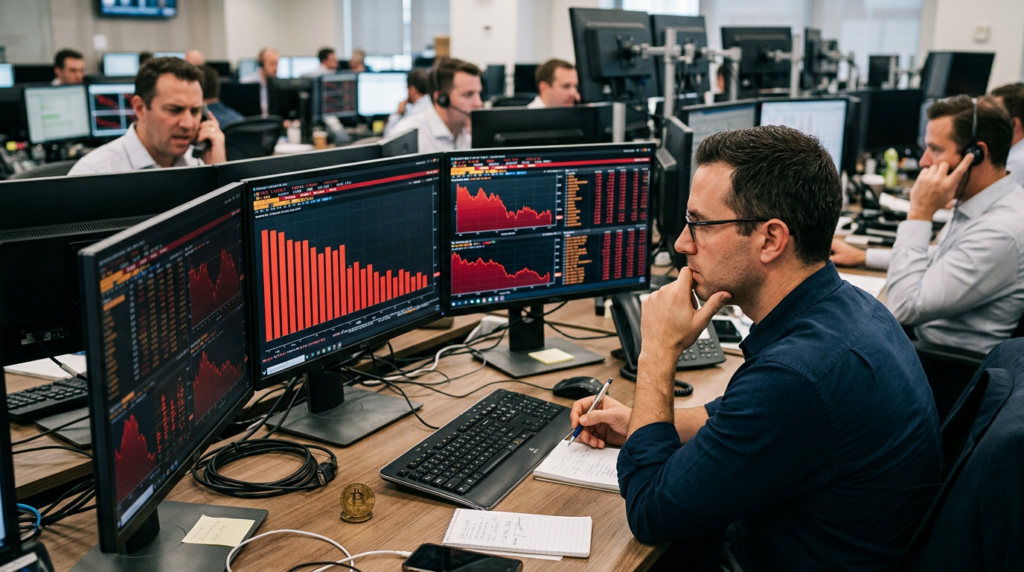
Binance announced on November 28 that it is changing the composition of its Secure Asset Fund for Users (SAFU). The exchange said 7,500 bitcoin would move from the fund’s wallet into its own treasury, with 500 million USDC supplied from its own resources in exchange. Binance described the adjustment as a response to regulatory requirements affecting reserve composition.
An internal transfer, rather than an announced open-market sale
The distinction between a fund wallet and a corporate treasury matters. Moving bitcoin between the two does not, by itself, establish that the exchange sold the coins on the open market. The announcement describes an exchange of assets within Binance’s financial arrangements. Any subsequent sale would be a separate development requiring its own evidence.
For the fund, replacing a volatile cryptocurrency with a dollar-linked token changes the nature of its exposure. USDC is designed to track the US dollar, but its stability depends on redemption arrangements, reserve management and the operational reliability of the issuer and supported networks. It should not be confused with a bank deposit or an unconditional guarantee.
What the update means for user protection
SAFU is intended to provide an emergency financial buffer. The amount transferred into it does not establish that every potential customer loss is covered, nor does a change in asset mix establish the financial position of the exchange as a whole. Assessing protection requires information on the fund’s accessible assets, liabilities and conditions under which it may be used.
The next useful evidence will be the fund’s disclosed balances after the adjustment and details of any future replenishment. Binance’s announcement establishes its intended reallocation, not an independently audited assessment of all customer assets.
Related coverage: our recent coverage of crypto reserve guidance.
Sources: Binance official SAFU update; Binance News summary.