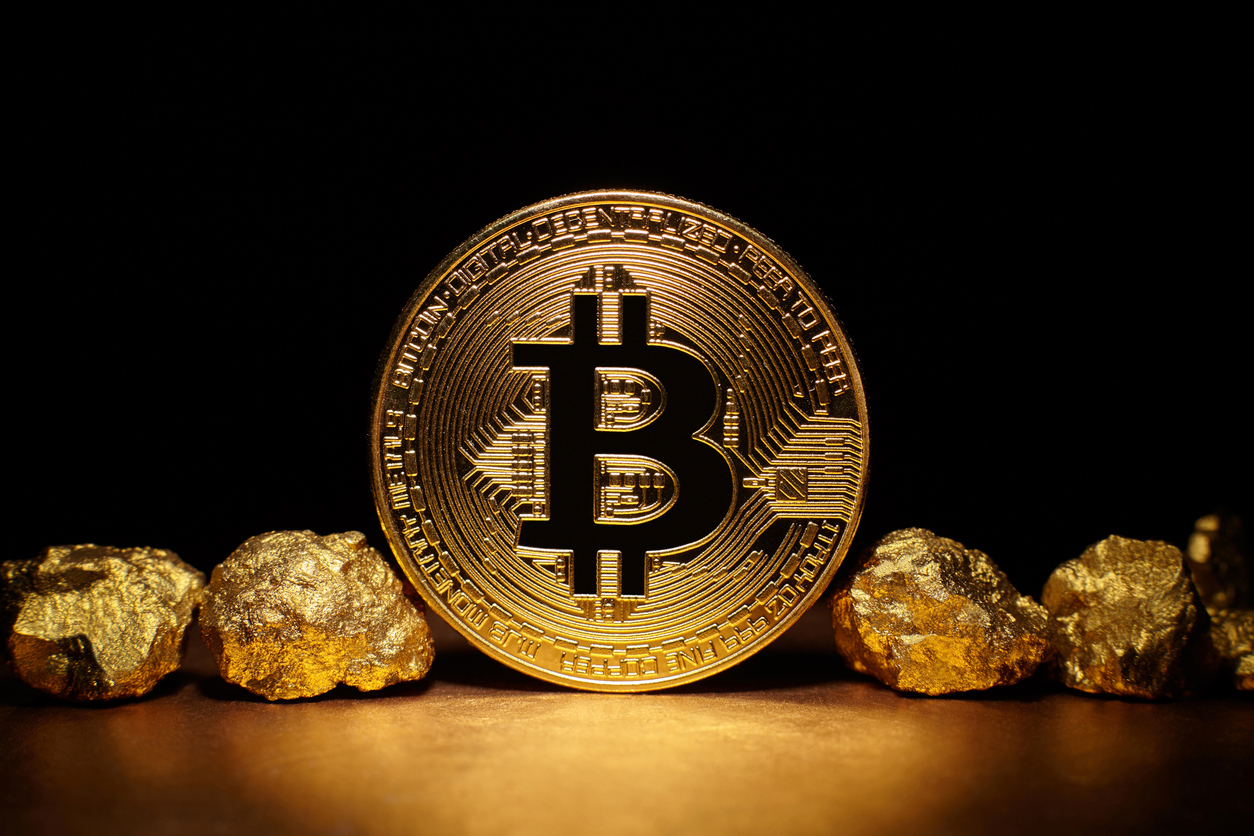
Bitcoin (BTC) is receiving increased attention as crypto specialist Andrew Kang has suggested that it be designated as a national asset. This concept has ignited controversy and prompted deliberations over its worldwide influence and forecasts of its cost.
Kang asserts that the adoption of Bitcoin as a national reserve might lead to a significant increase in its value, potentially reaching $1 million. Kang also argues that the current market capitalization of Bitcoin is underestimated.
If the United States were to embrace Bitcoin as a reserve currency, it has the potential to encourage other nations to follow suit, thereby confirming Bitcoin’s credibility as a reliable asset and expediting its widespread acceptance worldwide.
The proliferation of rumors regarding a prominent Asian corporation assuming responsibilities like Coinbase and MicroStrategy has bolstered confidence, elevating Bitcoin’s reputation and fostering corporate participation in the cryptocurrency industry.
Although Bitcoin has the potential to offer advantages, it also encounters substantial obstacles. Recognition of Bitcoin by the US has the potential to strengthen its status as a prominent global financial powerhouse, stimulating the growth of new ideas and drawing in specialists in blockchain technology.
Nevertheless, the highly unpredictable nature of Bitcoin’s value presents potential threats to the stability of the economy, necessitating policymakers to carefully manage the trade-off between fostering innovation and ensuring financial security.
The discourse surrounding Bitcoin’s potential as a national asset signifies its growing acknowledgment and capacity to revolutionize the global financial landscape. The forthcoming months will play a pivotal role in determining whether Bitcoin will be assimilated into national financial systems as a stable asset or persist as a speculative investment with untapped potential.