Solana just held its first formal on-chain governance vote and approved changes to its own issuance schedule.
Cardano ratified a hard fork entirely through on-chain voting earlier this year.
Ethereum has no formal on-chain vote at all, and Bitcoin uses miner signaling. Understanding the differences tells you who can change the rules your money sits under.
The Two Models
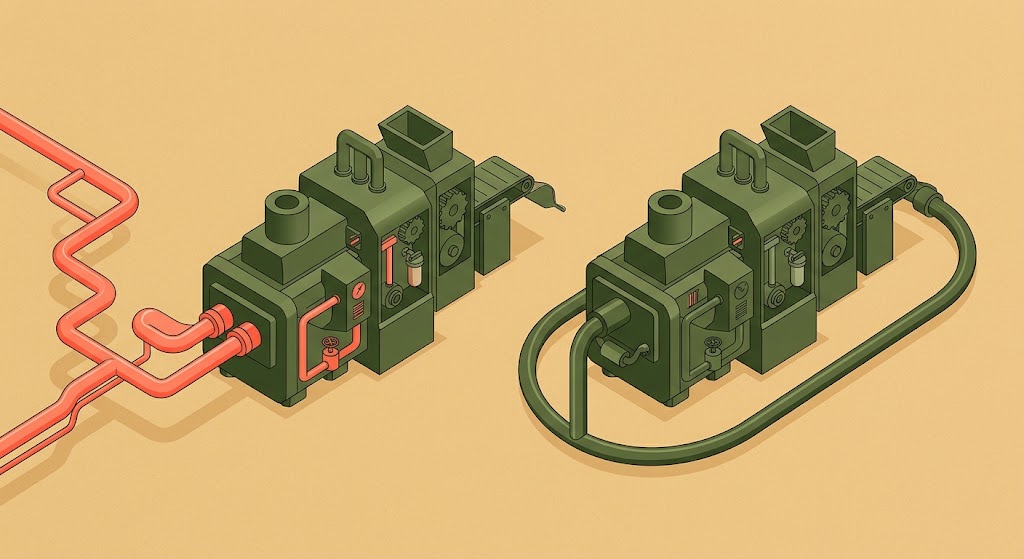
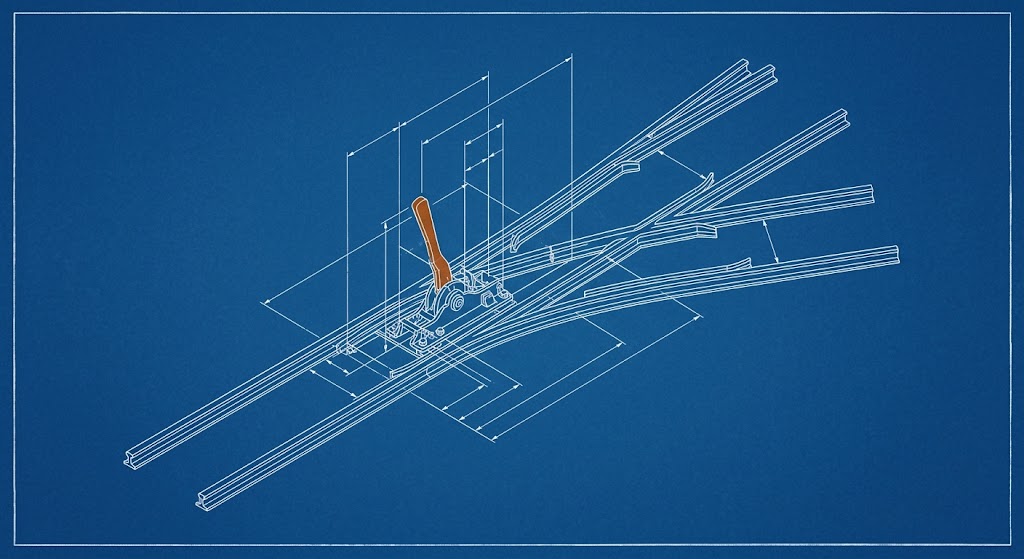
Off-chain governance runs through developer calls, mailing lists, client teams and rough consensus. No token holder votes on anything directly.
Ethereum works this way. So does Bitcoin, with the addition of miner signaling against a threshold to activate specific changes.
On-chain governance puts the decision into the protocol. Proposals are submitted, votes are cast by token holders or delegates, and approved changes execute automatically.
Cardano, Solana and most DeFi protocols use some version of this.
Neither is obviously better. Off-chain governance is slower and harder to capture. On-chain governance produces decisions on a schedule and creates an attack surface.
Why Timelocks Are the Setting That Matters
Most people evaluating a protocol look at the audit. The parameter that would actually have saved depositors this month is the timelock.
A timelock is the enforced gap between a proposal passing and taking effect. If it is 48 hours, anyone watching can see a malicious proposal approved and withdraw before it executes.
If it is zero, approval and execution happen together and nobody has time to react.
Term Finance lost roughly $8.5 million in August to an attacker who acquired enough voting power to pass a proposal directing funds. The contracts were audited and worked exactly as designed. Optimisus covered it in the piece on someone acquiring enough votes to ask it to pay out.
No code auditor catches that, because nothing is broken. The defense is governance parameters, not code quality.
The Four Things Worth Checking
Before depositing into any protocol with token governance, four numbers are worth two minutes of your time.
The timelock duration between approval and execution. Anything under 24 hours leaves no reaction window.
The quorum required. A low quorum means a small group of engaged holders can pass anything while everyone else is inattentive.
Token concentration. If a handful of wallets hold enough to reach the threshold, the vote is a formality.
Whether a guardian or multisig can veto. That reintroduces centralization, which is a real trade-off, but it is the difference between an exploit and an attempted exploit.
Delegation Changes the Picture
Most token holders do not vote. Delegation exists so voting power concentrates with people who will.
Cardano formalizes this with delegated representatives, and its recent hard fork required separate approval from delegates, stake pool operators and a constitutional committee.
That three-body structure is deliberately harder to capture than a single token-weighted vote, and it is why Optimisus described the governance result as more significant than the upgrade in that coverage.
The trade-off is that delegation concentrates influence with whoever accumulates delegations, which is a different centralization risk rather than an absence of one.
What Governance Votes Can Actually Change
This varies enormously and is worth checking per protocol.
Some votes are advisory. Some control treasury spending. Some can alter fee parameters, and some can change issuance, upgrade contracts or move deposited funds.
Solana’s recent vote changed the token’s disinflation rate and fee burn mechanics, which is monetary policy rather than a parameter tweak.
The question to ask is not whether a protocol has governance. It is what governance is permitted to do, and how quickly.
For the supply-side effects of the kind of change Solana just approved, our explainer on token unlocks and vesting covers the arithmetic.
The Short Version
On-chain governance means the rules can change without anyone’s permission except the token holders’.
That is the feature and the risk in the same sentence. The timelock is what gives you time to leave if the vote goes somewhere you did not expect.
Sources
- PlainlyCrypto, Weekly crypto brief covering Solana governance vote — https://plainlycrypto.com/weekly-crypto-brief-2026-08-30/
- The Crypto Times, Cardano activates Van Rossem hard fork, first approved fully on-chain — https://www.cryptotimes.io/2026/07/20/cardano-activates-van-rossem-hard-fork-first-approved-fully-onchain/
- Cryptonomist, Term Labs governance exploit drains $8.5M from vaults — https://en.cryptonomist.ch/2026/08/23/term-labs-governance-exploit/
- W3Rooster, When governance becomes the attack surface — https://w3rooster.com/when-governance-becomes-the-attack-surface-what-the-8-5m-term-finance-exploit-reveals-about-defi-security/
This is not financial advice.
Optimisus covers crypto and technology news for readers who want the detail behind the headline.